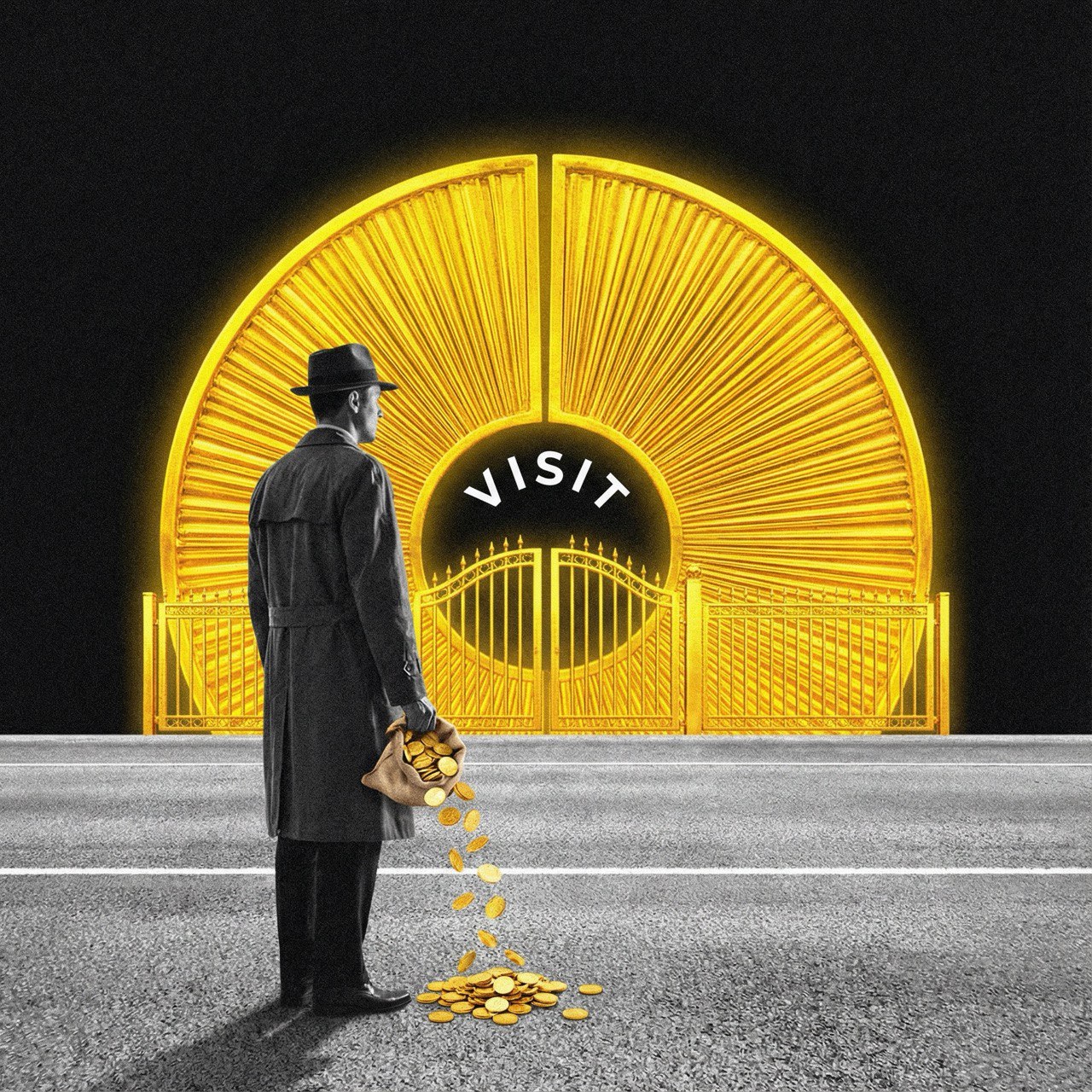
“Come today, earn points. Come seven days straight, earn extra points.”
Sound familiar? Visitor loyalty schemes are everywhere. Theme parks do it. Ecommerce does it. Apps do it.
But here is the awkward question: Does rewarding the act of visiting actually change behaviour? Or does it just encourage ghost visits – people logging in for 5 seconds to claim points, then vanishing?
📍 The real problem:
Visits are easy to measure. Engagement is harder. But engagement is what actually matters.
🎯 A curious example: Aquarium of Niagara’s smarter approach
Rather than rewarding “you showed up,” they reward “you actually did it.”
Watched a live show? Points. Tried an interactive exhibit? Points. Completed a learning module? Points.
The magic: they are not rewarding footfall. They are rewarding meaningful interaction.
Here is why this matters: A visitor who sits through a 20-minute sea lion show learns something, feels something, experiences something. They are more likely to return. They are more likely to recommend it. They are more likely to spend at the on-site café.
Engaged visitors more likely to discover all the opportunities, meaning they’re more likely to leave satisfied… share their experience… visit again.
But it opens even bigger doors. When you track what people actually engage with, you can:
• Manage queue times intelligently
• Direct traffic to quieter attractions
• Promote underutilised facilities
• Gather genuine insights about what visitors love
How this applies to different worlds:
In ecommerce, stop rewarding “visited the site.” Start rewarding the journey:
Visit + browse category + watch a product demo + save to wishlist + add to basket.
Each step requires actual attention. Each step tells you something real about intent.
You are not just tracking traffic. You are tracking interest.
Why this matters to your bottom line:
Engagement-based rewards cost less to operate (no ghost visits). They generate better data. They improve lifetime value. They reduce friction between discovery and purchase.
🚀 One principle change. Multiple business benefits.
Sound familiar? Visitor loyalty schemes are everywhere. Theme parks do it. Ecommerce does it. Apps do it.
But here is the awkward question: Does rewarding the act of visiting actually change behaviour? Or does it just encourage ghost visits – people logging in for 5 seconds to claim points, then vanishing?
📍 The real problem:
Visits are easy to measure. Engagement is harder. But engagement is what actually matters.
🎯 A curious example: Aquarium of Niagara’s smarter approach
Rather than rewarding “you showed up,” they reward “you actually did it.”
Watched a live show? Points. Tried an interactive exhibit? Points. Completed a learning module? Points.
The magic: they are not rewarding footfall. They are rewarding meaningful interaction.
Here is why this matters: A visitor who sits through a 20-minute sea lion show learns something, feels something, experiences something. They are more likely to return. They are more likely to recommend it. They are more likely to spend at the on-site café.
Engaged visitors more likely to discover all the opportunities, meaning they’re more likely to leave satisfied… share their experience… visit again.
But it opens even bigger doors. When you track what people actually engage with, you can:
• Manage queue times intelligently
• Direct traffic to quieter attractions
• Promote underutilised facilities
• Gather genuine insights about what visitors love
How this applies to different worlds:
In ecommerce, stop rewarding “visited the site.” Start rewarding the journey:
Visit + browse category + watch a product demo + save to wishlist + add to basket.
Each step requires actual attention. Each step tells you something real about intent.
You are not just tracking traffic. You are tracking interest.
Why this matters to your bottom line:
Engagement-based rewards cost less to operate (no ghost visits). They generate better data. They improve lifetime value. They reduce friction between discovery and purchase.
🚀 One principle change. Multiple business benefits.